Your traditions, understood.
A Nigerian wedding is not a single kind of day. Your families may bring different languages, faiths and expectations to the same celebration. Understanding that matters more than arriving with a fixed list of photographs. The starting point is your own running order: who is involved, which moments matter most and where the photographer needs to be before they happen.
There is room for quiet observation alongside the formal portraits. A parent's expression during an introduction, a sibling helping with a headwrap, the pause before an entrance: these belong beside the wider scene. We invite you to explain family roles and any sensitive moments in advance, so the coverage follows your celebration rather than asking it to perform.
The traditional engagement.
Customs vary between communities and families, including within the same cultural tradition. The details below are starting points for a conversation, not a prescribed ceremony. Please share the arrangements agreed by your families and the people guiding the day.
Yoruba
Family introductions formally acknowledge the intended marriage and create space to discuss arrangements. The traditional engagement may be guided by the Alaga Iduro, representing the groom's family, and the Alaga Ijoko, representing the bride's. Their exchanges can move quickly between speaking, singing and humour. Knowing who is leading helps a photographer anticipate both the action and the response across the room.
The groom and his party may prostrate before the bride's family as a gesture of respect. Eru iyawo engagement gifts are another detail to discuss before the ceremony. The photographs should leave room for those gifts and the people presenting them, as well as the textures of woven aso-oke and the shape of a gele headwrap. A wide view and a close family reaction tell different parts of the same moment.
Igbo
During igba nkwu, the bride searches among the guests for her groom and presents him with palm wine. It is a moving moment in both senses: the route, the crowd and the reactions can change in seconds. A photographer needs a clear view without directing the search or standing between the couple. Agreeing space with the family and videographer beforehand helps preserve the moment as it unfolds.
Edo
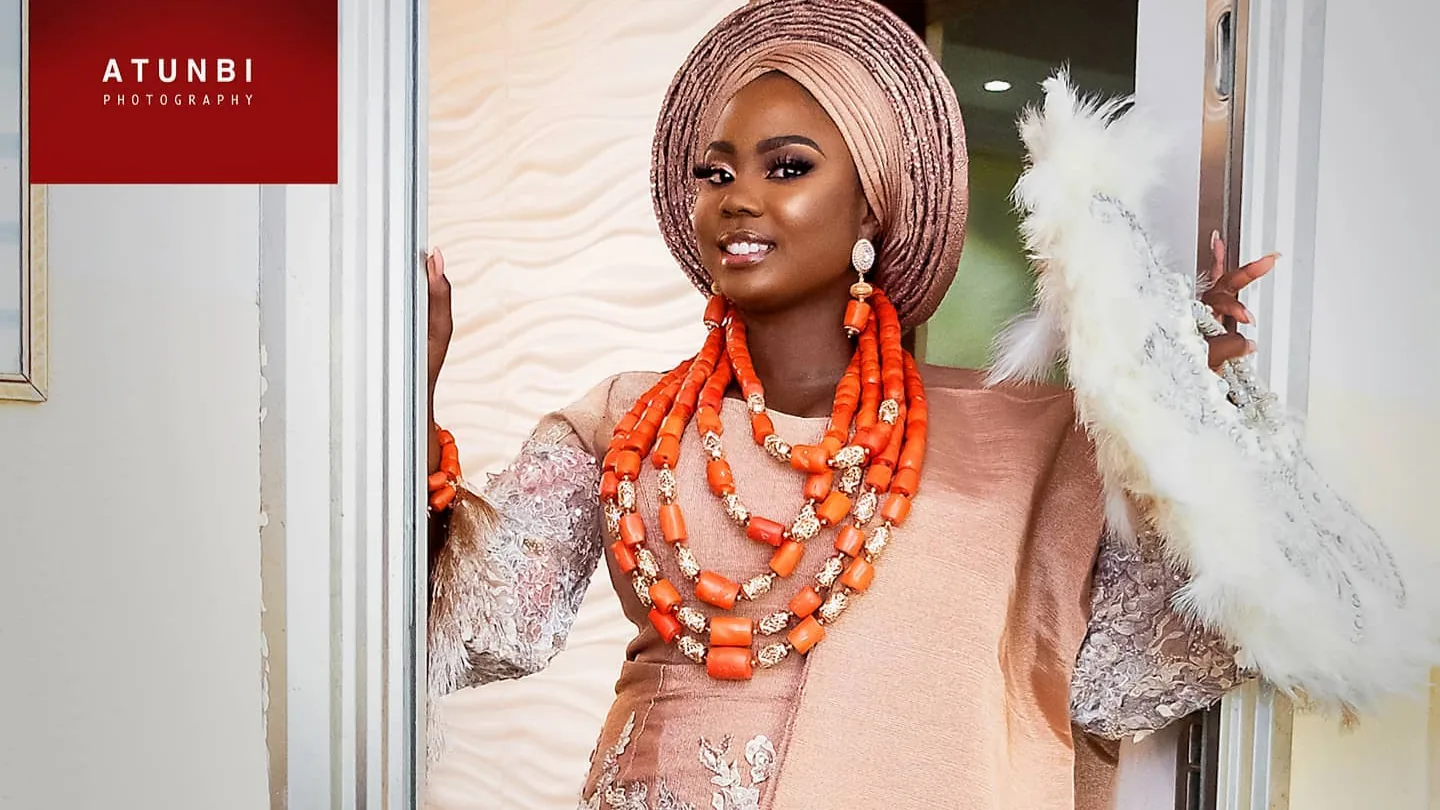
Coral-bead jewellery and beaded headpieces are prominent in many Edo, particularly Benin, bridal looks. Dress and adornment differ between communities and individual choices; there is no reason to assume every bride will wear the same combination. Portrait time should allow the details of the beads and clothing to be seen without losing the person wearing them. Gentle light and an uncluttered background can give those details space.
Church, registry and white wedding.
A church service, registry ceremony or white wedding has its own pace and practical boundaries. Tell us about restrictions on movement or flash, and whether the officiant needs to speak with the photographer. Build time for the people you want in the formal photographs, with a relative who can help gather each group. A short, agreed list is kinder to everyone than making those decisions while guests are waiting.
The reception: entrances, spraying and the dancefloor.
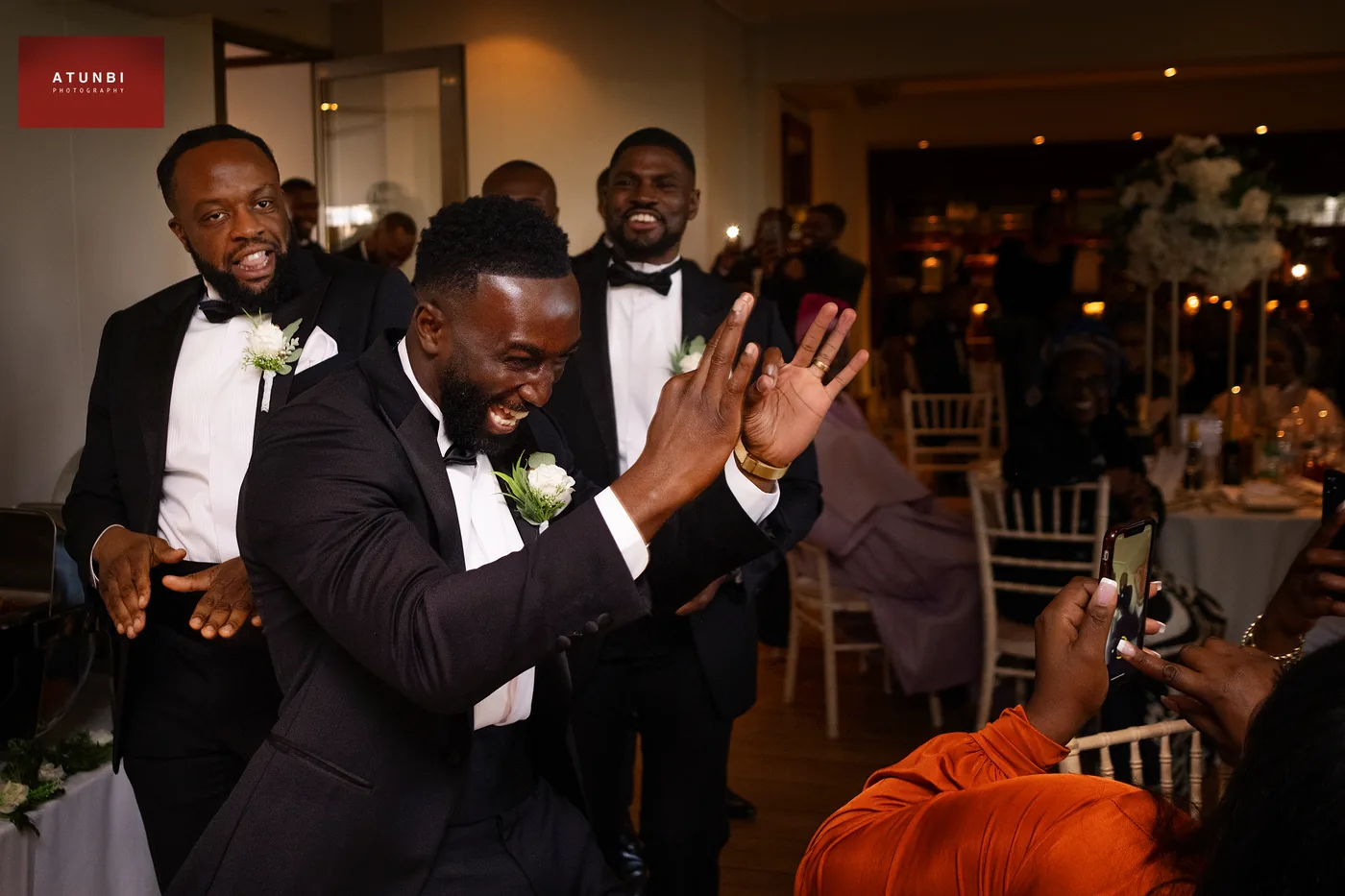
A reception can move from a carefully timed entrance to a crowded dancefloor with very little warning. If spraying is part of your celebration, include it in the conversation about the evening's plans. With a large guest list, clear routes around the room help photography without interrupting anyone's view. Let the photographer know about surprises through a trusted organiser rather than relying on a last-second signal.
Low ballroom light needs consideration, not an assumption that every frame should look like daylight. The aim is to keep faces readable while holding on to the colour and atmosphere of the room. Lighting restrictions, the position of the dancefloor and the schedule for speeches are useful details to share before the wedding.
Trad and white wedding: same day or separate days?
One day can keep everyone together, but travel, dressing and changes of attire all need time. Work backwards from fixed ceremony times, allowing breathing room rather than filling every minute. Separate days can give each celebration more space; they also mean planning coverage and travel for both dates. Neither choice is automatically better. The useful question is how you want each day to feel.
When preparations or ceremonies overlap, a second photographer can cover another location or follow family reactions while the first stays with the couple. We recommend discussing this for larger weddings. See the wider wedding photography approach for how that coverage fits together.
Skin tones, edited properly.
Darker skin tones deserve depth and detail, not a preset that lifts every face towards the same pale finish. Exposure, the colour of the light and the surrounding fabrics all affect how skin reads in a photograph. Consistent editing should preserve that difference, including when people with different complexions stand together. Every image is reviewed by hand; the intention is a coherent gallery without flattening the individuality of the people in it.
London and Lagos.
Based in Tooting, South West London, The Atunbi Experience works across the capital and welcomes enquiries for destination traditional weddings in Lagos, including couples planning from the UK. Send the locations and dates early so the practical arrangements can be discussed together. For international commissions, travel and accommodation are agreed at booking. Your confirmed venues and timetable matter more than a generic list of places.
Coverage and investment.
Rates start from £100 per hour, as in our general FAQ. Your proposal should reflect the timeline, number of celebrations and any second photographer or international travel involved. Send your dates and plans for a tailored discussion rather than treating an hourly starting rate as the price of a complete wedding.
For more on delivery, booking and image rights, read the general FAQ. The journal is a place for work and writing as the collection grows.
Questions couples ask
Do you photograph Yoruba, Igbo and Edo weddings?
Enquiries for Yoruba, Igbo and Edo wedding photography are welcome. Tell us which ceremonies and family traditions you are planning, rather than assuming a standard running order. That conversation shapes the coverage and the moments we need to anticipate.
Can you cover the trad and white wedding?
Yes, coverage can be discussed for both celebrations, whether they share a date or take place on separate days. Send both dates, locations and approximate timings so the proposal reflects the whole wedding, including travel and any overlapping preparations.
How many hours do we need?
Start with the first moment you want photographed and the last part of the reception you want to remember. Allow time for dressing, family portraits, travel and changes of attire. We can discuss the timetable before recommending coverage; there is no single number that fits every wedding.
Do we need a second photographer?
A second photographer is recommended for larger weddings and celebrations with simultaneous events or separate spaces. It allows one photographer to follow the couple while another records family reactions or preparations elsewhere. Availability and the additional cost are discussed in the proposal.
Do you travel to Lagos?
Lagos destination wedding enquiries are welcome, including traditional weddings planned from the UK. Share the date and venue details so availability and logistics can be discussed. International travel and accommodation costs are agreed at booking, as set out in our general FAQ.
How do you handle dark reception halls?
The lighting plan needs to balance clear photographs of people with the atmosphere of the room. Share the reception schedule, venue lighting information and any restrictions on flash. Entrances, speeches and dancing may each need a different approach rather than one setting for the entire evening.
When do we get our photos?
Your fully edited gallery is delivered within four weeks of your wedding, in line with our published turnaround. You receive a private online gallery with edited, high-resolution images to download. Printed albums can be ordered separately.
How do we book?
Begin with the contact form or email [email protected]. Include your date or dates, locations and the celebrations you are planning. After an initial conversation, you receive a formal proposal; your date is secured with a signed contract and booking retainer.
Begin your enquiry
Tell us the dates, the places and the people at the centre of your wedding. There is time to talk through the rest.
Begin your enquiry